BYD Seal 2025 Review: The Sedan BYD Has Been Building Towards
The BYD Seal takes a different approach to the family EV — low-slung, sport-sedan proportioned, and built with a structural innovation that makes it feel unlike anything else at this price point. Two variants, one choice that actually matters.
Kiat Goh

The first thing you notice about the BYD Seal is how it sits. Low, purposeful, with a roofline that tapers in a clean arc toward the boot — this is a car designed with conviction rather than by committee. It reads differently from BYD's SUV lineup, and that difference is intentional. The BYD Seal 2025 in Singapore is the sedan BYD built to show what the brand looks like when it aims at the Tesla Model 3 rather than at compact crossover territory.
Whether that story fully lands depends on which variant you're sitting in, and which way you resolve the COE-category question. The BYD Seal comes in two configurations for Singapore: the Dynamic (100 kW, Cat A, 61.4 kWh) and the Premium (230 kW, Cat B, 82.56 kWh). That choice — and the COE cost difference that comes with it — is what this review is really in service of.
The Shape of the Thing
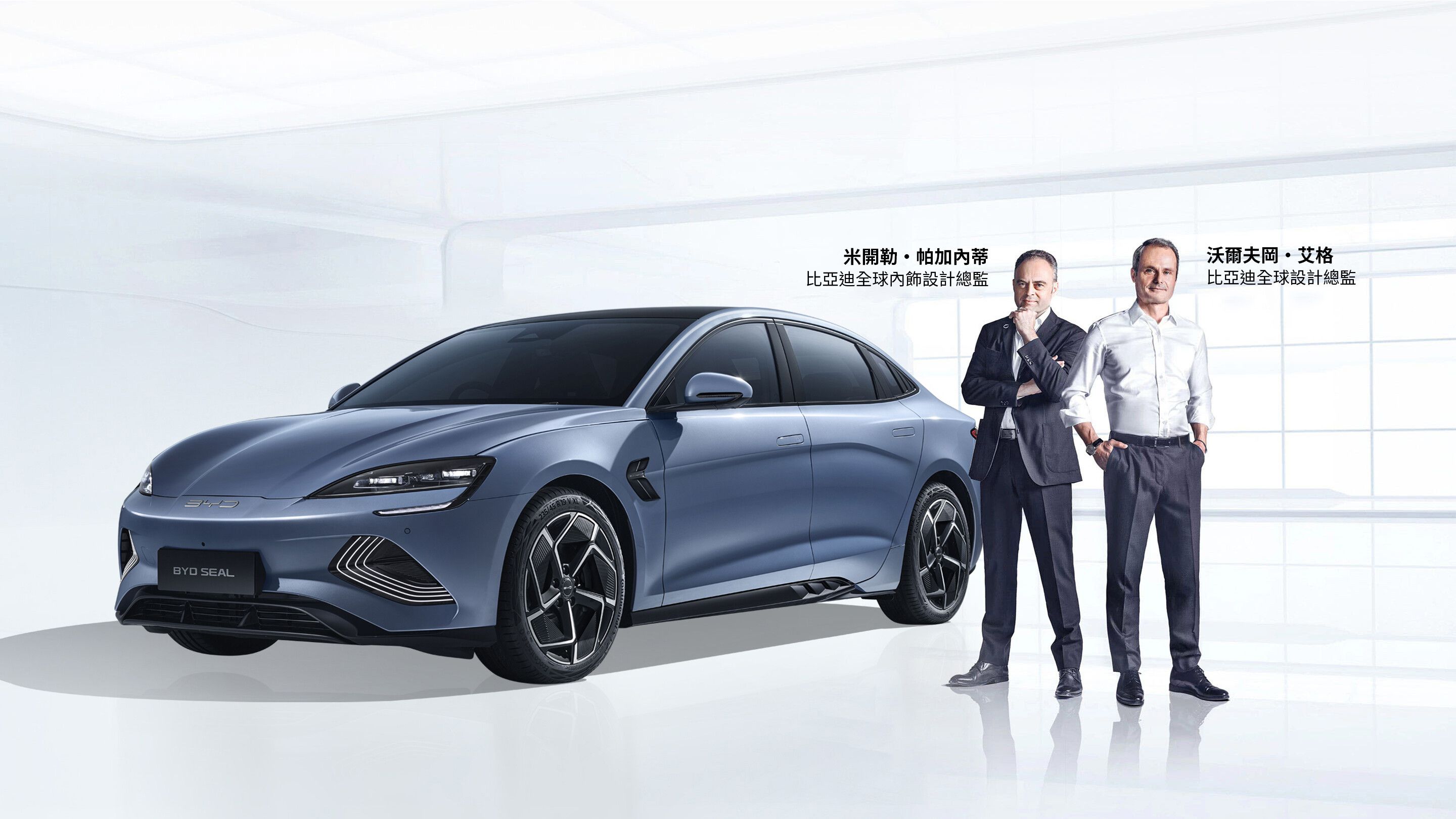
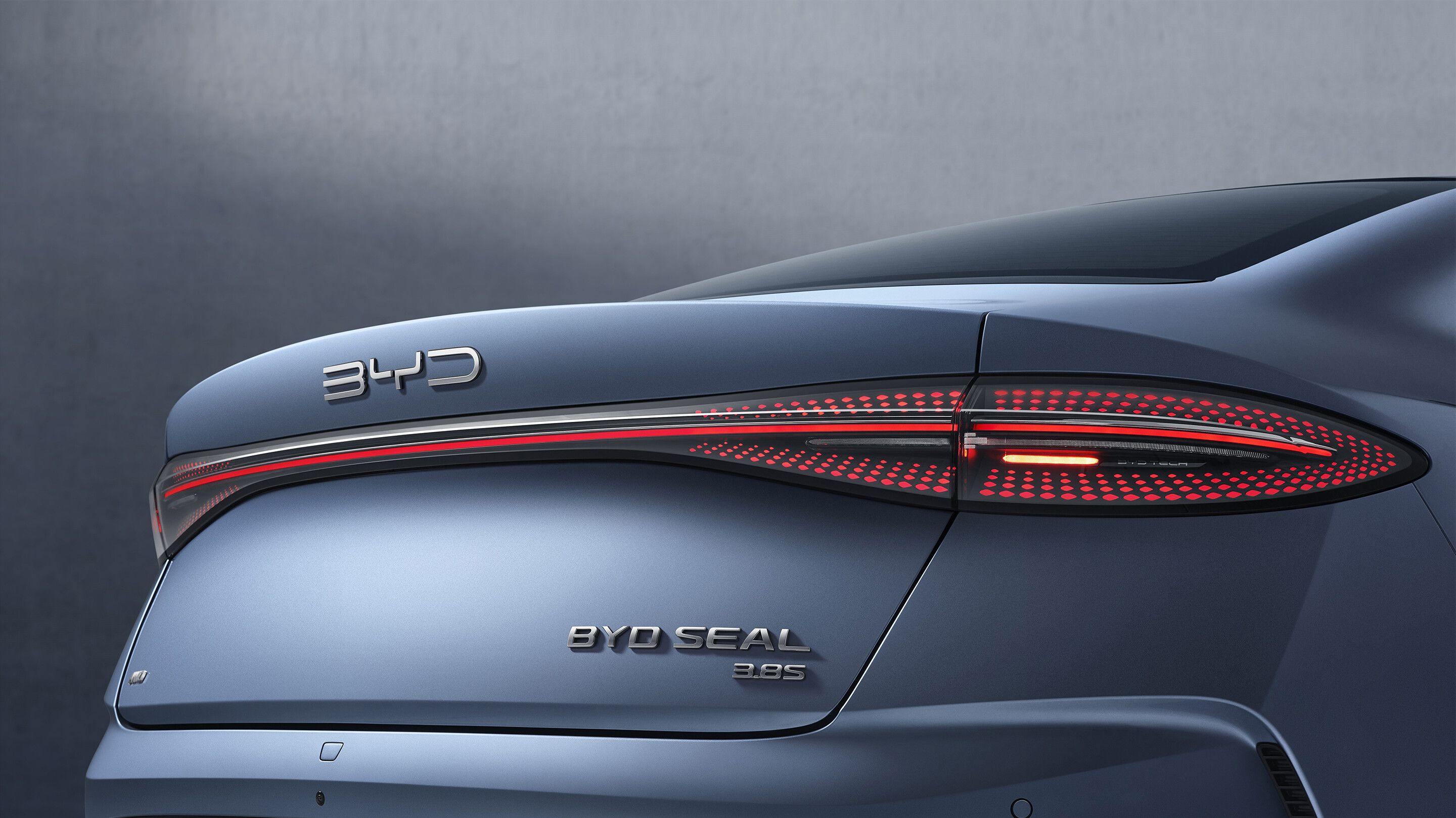
The Ocean Aesthetics design language, which BYD introduced with the Dolphin, reaches its most cohesive expression in the Seal. The front end carries a flat X-shaped LED signature that runs horizontally across the full width; the flanks are clean with minimal surface breaks; the rear closes with a full-width LED light bar. This is a car that has been properly styled, not assembled from a parts catalogue.
The Abundant Green — BYD's signature colour for the Seal — deserves to be seen in the metal before it's dismissed. What reads as slightly eccentric in photography lands as considered and distinctive on the road. Cosmos Black remains the default long-term recommendation, but Abundant Green suits the Seal's character in a way no other colour quite matches.
This is a car that rewards a slow walk-around. The Atto 3 — which we reviewed earlier this year — is a competent compact crossover; the BYD Seal is something more considered, with presence that comes from proportion rather than aggression.
One practical note before you fall entirely: ground clearance sits at approximately 130 mm. In Singapore's multi-storey carpark landscape, some steep entry ramps require a deliberate approach angle. It is a real consideration, not a minor footnote. The car asks you to adapt slightly to it — which is a fair trade for what you get in return, but worth factoring into the test drive.
A Flat Floor and What It Changes
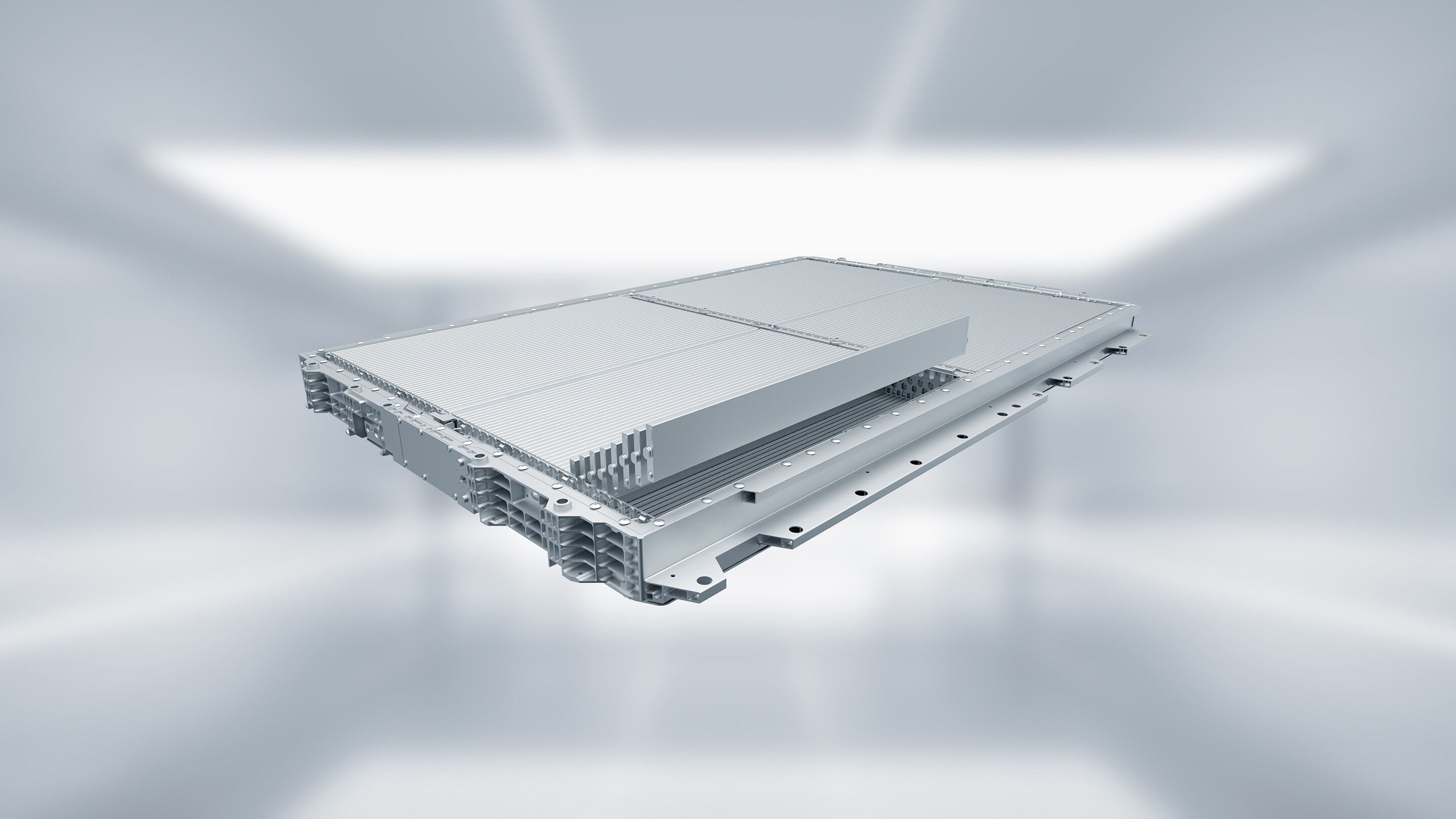
Step inside and the most immediately striking quality is the floor — or more precisely, the absence of a centre tunnel. The BYD Seal uses BYD's Cell-to-Body (CTB) technology: the Blade Battery cells are integrated directly into the car's structural body rather than sitting in a module within the frame. The result is a floor that is almost entirely flat, and a rear cabin where the middle seat becomes a genuine seat rather than a compromise position.
CTB also contributes to the body's structural rigidity in a way that is immediately noticeable from the driver's seat. Sharp surface transitions are absorbed cleanly, without the secondary flex or shudder that lower-priced EVs exhibit. This is chassis quality associated with cars priced a category above the Seal.
The dashboard is clean and purposeful. The 15.6-inch rotating touchscreen occupies the centre of the fascia, giving it more visual breathing room than the Atto 3's layout manages. The 5-inch instrument cluster remains the one element I'd upgrade — functional but modest for a car of this ambition, and BYD should push something larger in the next iteration.
Material quality is a step above the Atto 3. Ventilated front seats are standard across the range — in Singapore conditions, this moves from nice-to-have to truly useful within the first week. Boot space is 400 litres seats up, complemented by a 53-litre frunk. For airport runs or keeping a charging cable permanently stored, the frunk earns its keep without eating into boot space.
The Tech Layer
The DiLink infotainment platform shares foundations with the Atto 3's system — same 15.6-inch rotating display, same OS architecture, same wireless Apple CarPlay and Android Auto. Where they differ is in software maturity. Earlier Seal production batches had occasional freezes and ADAS inconsistencies; the 2024–2025 builds are substantially more settled.
V2L (Vehicle-to-Load) at 3.3 kW via the CCS2 port is standard across both variants. BYD's inclusion of this as standard rather than optional continues to stand out against European rivals that either omit it or charge extra.
What CTB Means When You're Actually Driving
The BYD Seal Dynamic (100 kW, Cat A) runs a comfort-oriented double-wishbone front and multi-link rear suspension setup that delivers an exceptionally planted and composed ride on Singapore roads. The car absorbs poor surfaces with an assurance that belies its entry-level positioning within the Seal range. CTB's structural rigidity is part of why — a stiffer body means the suspension is working against a fixed reference rather than a flexing one.
The 100 kW motor produces 310 Nm from standstill. In traffic, that instant torque delivery keeps the Seal confident at every speed. The 10-second 0–100 km/h time understates the real-world feel; the Seal in daily driving is fluid and unhurried in the right way, never caught short at a filter lane or an expressway on-ramp.
On a longer run at highway speeds, the Seal is notably hushed. Wind and road noise suppression is better than the Atto 3 and competitive with sedans positioned notably higher in the category. The CTB floor integration, combined with acoustic glass, creates a cabin that invites conversation at 90 km/h without raised voices.
The BYD Seal Premium (230 kW, Cat B) brings the Seal's story into a different register — 5.9 seconds to 100 km/h, 360 Nm, and an 82.56 kWh battery that extends real-world range to a relaxed 450–500 km in Singapore conditions. The same suspension geometry as the Dynamic, with a marginally firmer tune that suits the increased power delivery.
The Dynamic vs Premium Decision
BYD Seal Dynamic (100 kW, 61.4 kWh, Cat A):
- WLTP range: 460 km; real-world Singapore: 340–380 km
- DC charging: 110 kW (30–80% in ~32 minutes)
- 0–100 km/h: 10.0 seconds
The rational choice for most buyers. Cat A COE, solid real-world range, sufficient performance for daily use. For buyers on a Cat A budget who want a more driver-focused sedan than the Atto 3, the Dynamic answers all practical questions.
BYD Seal Premium (230 kW, 82.56 kWh, Cat B):
- WLTP range: 570 km; real-world Singapore: 450–500 km
- DC charging: 150 kW (30–80% in ~30 minutes)
- 0–100 km/h: 5.9 seconds
The Premium adds meaningful performance and a substantially larger battery. For buyers who charge frequently at public DC stations or want the extended range buffer, the Premium's additional capability makes sense over a full COE hold.
Charging Without Drama
The Seal uses CCS2, meaning full compatibility with Singapore's public charging network — ChargEV, SP Mobility, Charge+, Shell Recharge. No network compatibility issues to navigate.
At 110 kW DC on the Dynamic, a 30–80% charge takes approximately 32 minutes. On the Premium at 150 kW, a similar 30 minutes despite the larger 82.56 kWh pack. AC charging at 7 kW: the Dynamic takes approximately 8.6 hours for a full charge; the Premium's larger pack takes approximately 15.2 hours.
A small number of owners have reported charging handshake issues at specific public stations — occasional lower charging rates than expected. This appears to be a station-compatibility issue; switching to a different station or cable typically resolves it.
BYD's eight-year, 160,000 km battery warranty covers the Seal range. The LFP Blade Battery's tolerance for regular full charges means daily 100% charging does not carry the degradation concern associated with NMC chemistries.
Real-World Range in Singapore
The Dynamic's 460 km WLTP converts to approximately 340–380 km in Singapore driving — consistent A/C, urban stop-start, and expressway cruising blended. A weekly charging routine covers typical ownership patterns. Eco mode drivers report approaching 400 km with measured driving.
Long-term owners in the Chinese market — where the Seal has been on sale since 2022 — report minimal battery degradation: approximately 1.5% reduction after 20,000 km.
The Bottom Line
The BYD Seal is the clearest expression yet of how much ground BYD has covered since the Atto 3 launched in Singapore. That car proved the brand could deliver on reliability and value; the Seal proves it can deliver on engineering sophistication and driving refinement. CTB technology is not a marketing talking point — it changes what the car feels like to drive, and the flat floor changes what the interior feels like to inhabit.
The ground clearance requires more forward planning in Singapore's carpark landscape than ideal. The instrument cluster is still undersized for a car of this ambition. These are real observations, not minor caveats.
But the composure, the cabin refinement, the acoustic quality at speed, the charging practicality, and the structural solidity all deliver on the Seal's positioning as BYD's flagship sedan. The engineering maturity here is not incremental — it represents a meaningful step from where the brand was two years ago.
The Dynamic is where most buyers will land — Cat A COE, solid real-world range, and exceptional daily composure make it the logical choice. The Premium is the one I'd stretch for given the budget and the longer hold through a full COE cycle. For most, though, the Dynamic makes the stronger case without asking you to pay for what you don't regularly use.
Related Articles

Kia EV6 (2025): All the Right Angles
The facelifted Kia EV6 pairs sharper styling with an 84 kWh battery and 800V charging — and remains the most visually striking crossover EV at its price point. It's also the one you'll most enjoy driving. Whether that's enough depends on what you're willing to trade for it.

Hyundai Ioniq 6 (2025) Review: Aerodynamics With a Point to Prove
The Hyundai Ioniq 6 is among the most efficient EV sedans you can buy in Singapore — 800V charging, a 0.21 Cd drag coefficient, and four variants starting from Cat A. With the Tesla Model 3 as the obvious benchmark, the Ioniq 6 makes its case on efficiency and refinement rather than outright speed.

BYD Dolphin (2025): The Cat A Entry Point That Doesn’t Feel Like a Compromise
The BYD Dolphin is the most affordable EV in Singapore that still feels like a complete car. It makes the compromises you'd expect at this price point intelligently — delivering enough range, space, and technology for buyers who don't need to spend more.
Stay Charged Up
Get the latest EV news, reviews, and analysis delivered to your inbox every week.