Petrol Prices Surge Past $3 Per Litre: Will This Accelerate Singapore's EV Transition?
With RON95 crossing $3 per litre and Shell V-Power breaching $4, Singapore drivers are feeling the pinch. But do rising fuel costs actually push people toward electric vehicles? The answer is more nuanced than you might think.
Editorial Team

Geopolitical tensions in the Middle East have sent ripples through global oil markets, and the impact is now being felt at Singapore's fuel pumps. With RON95 crossing the psychological $3 per litre mark and premium grades like Shell V-Power breaching $4, the cost of driving an internal combustion engine (ICE) vehicle is climbing. But does this mean more drivers will immediately make the jump to electric vehicles (EVs)?
The short answer: not necessarily. While the pain at the pump is real, the decision to switch to an EV in Singapore involves a much more complex equation than fuel costs alone.
The Immediate Impact on Drivers
The recent price hikes, driven by market sentiment and uncertainty over potential supply disruptions, represent a 6 to 9 per cent increase for RON95 fuel between February and early March. For the average Singaporean driver covering about 1,500 kilometres a month, this translates to an additional $20 to $40 in monthly fuel expenses.
While noticeable, this increase is not yet causing widespread panic among private car owners. In the broader context of Singapore car ownership—where fixed costs like the Certificate of Entitlement (COE), Additional Registration Fee (ARF), and insurance form the bulk of expenditure—fuel is often viewed as a variable, absorbable cost, much like parking.
However, the sting is far sharper for high-mileage users, such as taxi and private-hire drivers, who bear the brunt of these rising operational costs directly.
Why Pump Prices Alone Don't Drive EV Sales
It is tempting to assume that expensive petrol will push buyers straight into EV showrooms. Yet, industry experts suggest that higher petrol prices alone are unlikely to significantly accelerate EV adoption in the short term.
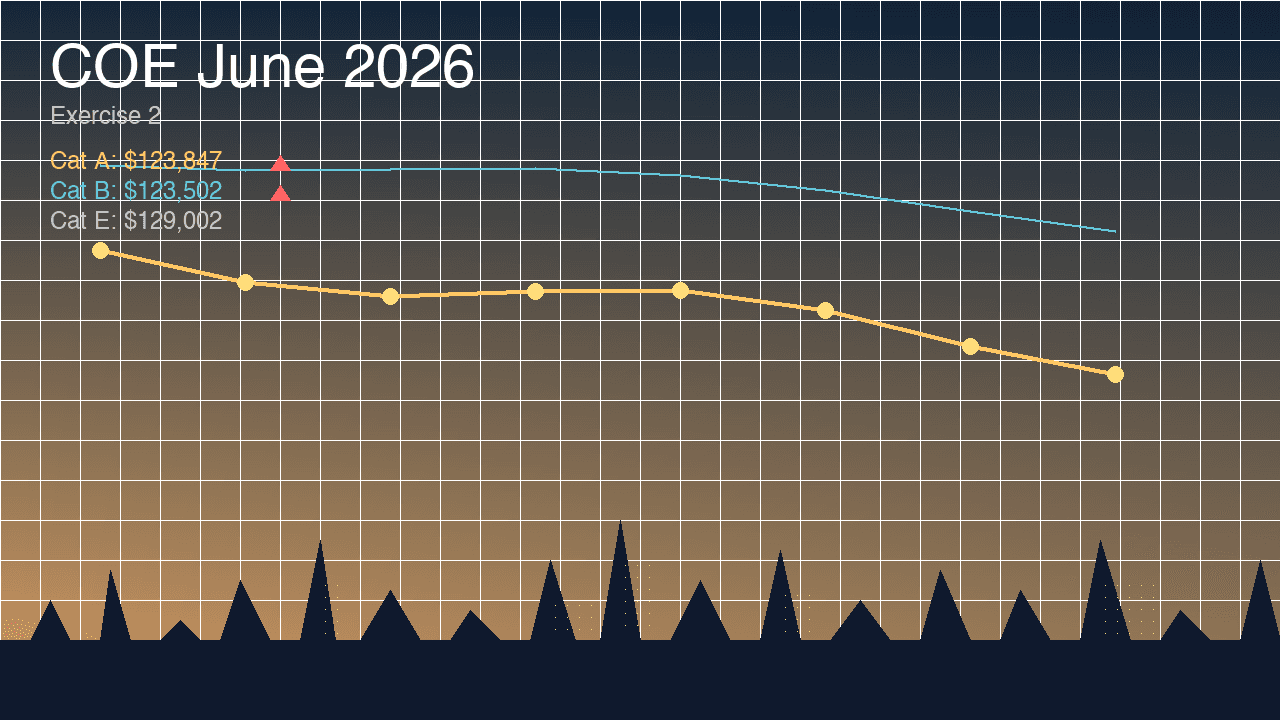
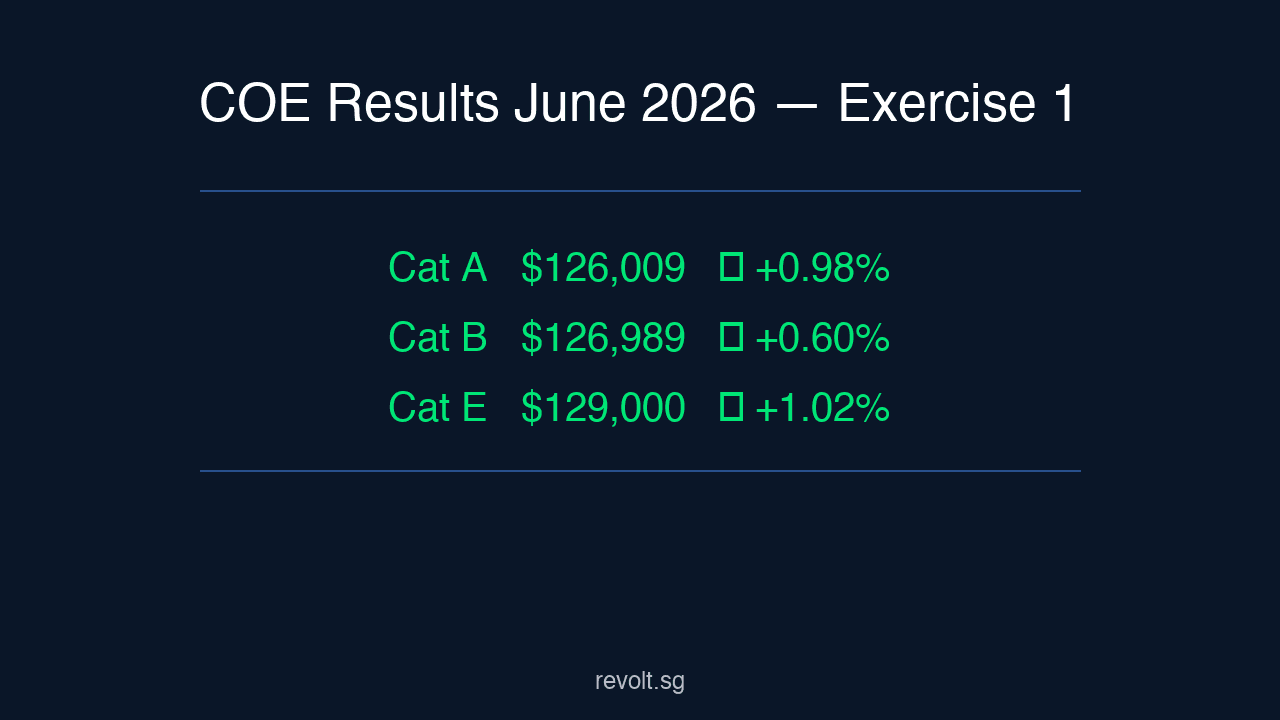
The decision to transition to electric power is heavily influenced by the upfront purchase price of the vehicle, the prevailing COE premiums (which recently saw Category B jump 8.6 per cent to $114,002), and the resale or trade-in value of the owner's current ICE vehicle.
Furthermore, the road tax structure and the accessibility of charging infrastructure play crucial roles. While the public charging network is expanding rapidly—evidenced by the recent launch of a massive 55-point hub at Great World—drivers without access to convenient overnight charging at home or work still face a lifestyle adjustment.
The Bigger Picture
The current surge in pump prices serves as a stark reminder of Singapore's vulnerability to global oil market volatility. EVs offer a shield against this specific type of price shock, shifting the energy cost burden to electricity tariffs, which, while also subject to fluctuation, tend to be more stable than crude oil prices.
For many motorists, the comfort, familiarity, and convenience of their current petrol vehicles still outweigh the impact of higher fuel prices. However, as the price gap between EVs and ICE vehicles narrows, and as charging infrastructure becomes as ubiquitous as petrol stations, the long-term financial case for going electric becomes increasingly compelling.
The $3 per litre mark may not trigger an immediate mass exodus from petrol cars, but it certainly adds weight to the argument that the future of motoring in Singapore is electric.
Stay Charged Up
Get the latest EV news, reviews, and analysis delivered to your inbox every week.